In This Article
Learning a new skill is an achievement worth celebrating for both children and parents. Whether it is putting on shoes without help, buttoning a shirt, speaking in full sentences or brushing teeth independently, these small achievements bring a great sense of pride. They reassure parents that their child is growing, gaining confidence and developing the skills needed for school, making friends and everyday life.
For parents raising a child with autism, however, these everyday achievements may take longer and require more patience and ongoing support. Tasks that seem simple can be overwhelming for a child on the autism spectrum. That is why many families turn to experienced specialists to help their children gradually acquire daily living skills, in the familiar and comfortable environment of home.
Why Are Daily Living Skills Important for Every Child?
Our daily lives depend on a set of simple routines. For children, these routines include bathing, brushing their hair, brushing their teeth, getting dressed, washing their hands, sitting during meals and following simple instructions. Although these tasks seem ordinary, they are an important foundation for building independence.
For children with autism, these age-appropriate activities may be more difficult. But the good news is that, with the right guidance and a treatment plan designed around each child’s needs, they can learn these essential skills and gain more confidence in carrying out their daily routine.
Helping Children Learn Step by Step
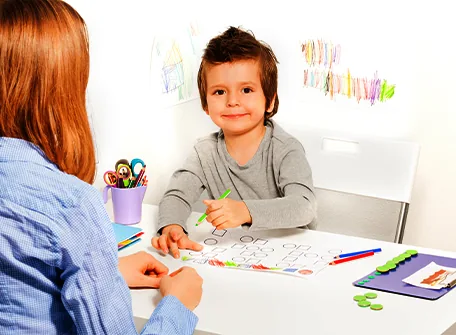
This is where applied behavior analysis (ABA) therapy makes a real difference. Instead of expecting the child to master a whole skill at once, the behavior therapist breaks each task down into small, manageable steps. The child is encouraged and rewarded on completing each step, which makes learning easier and more enjoyable.
This gradual approach helps children build their self-confidence and progress at the pace that suits their individual needs.
Over time, these small achievements begin to deliver big results. A child who relied heavily on others may become more able to complete daily tasks on their own, express their needs with greater confidence and take an active part in family life. These everyday successes not only strengthen the child’s independence but also make the daily routine easier and more comfortable for the whole family.
Better Learning in the Comfort of Home
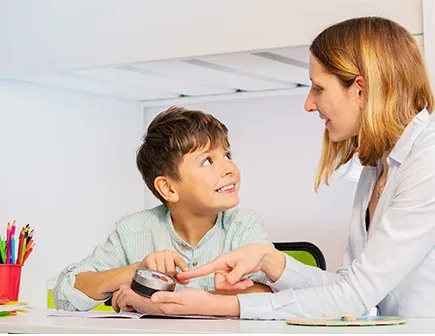
A child usually feels more at ease when surrounded by familiar people, places and routines. At home, they can learn through everyday activities with people they know and trust. This helps therapists teach new life skills that become a natural part of the child’s daily life, rather than skills that are practiced only during therapy sessions in an unfamiliar place.
During an applied behavior analysis (ABA) program, pediatric therapists observe how the child responds during daily routines, then develop strategies that fit naturally into their everyday life. The therapy program often focuses on skills such as:
- Dressing independently.
- Brushing teeth and personal hygiene.
- Eating meals with less help.
- Following simple instructions.
- Moving easily between different activities.
- Developing communication and social interaction skills.
Communication is one of the most common challenges for children with autism, and one of parents’ biggest concerns. A child may feel frustrated when they cannot express their thoughts or feelings or find it difficult to interact with others, which can sometimes lead to challenging behaviors.
In many cases, applied behavior analysis (ABA) therapy is combined with speech therapy programs for autism, to help children communicate with greater confidence and feel less frustrated in everyday situations.
How Does Hope AMC Support Families at Every Step?
At Hope AMC, we recognize that every child has their own strengths, personality and pace of learning. That is why we believe therapy should not rely on a one-size-fits-all approach.
Our multidisciplinary team, including applied behavior analysis (ABA) therapists, works closely with families to understand each child’s needs, daily routine and future goals before preparing a personalized treatment plan to suit them.
We make sure each session is designed to fit in with the family’s daily life, while helping the child gain practical skills they can use in their life on an ongoing basis.
For families looking for behavior therapy for children, we offer evidence-based ABA programs that aim to reinforce positive behaviors, strengthen communication skills and build independence through regular practice. Behavior therapy can also be combined with speech therapy and occupational therapy for children, to provide comprehensive support for every aspect of the child’s development.
If you are looking for intensive applied behavior analysis therapy programs for children with autism in Dubai, we offer structured therapy programs that provide focused intervention while keeping parents involved throughout the therapy journey. By delivering sessions within a familiar home environment, we help children practice the skills they use every day, which makes learning more natural and effective and helps them apply these skills in their daily lives.
Our goal is not limited to teaching the child new skills; it extends to helping them use those skills with confidence and independence in their daily life.
Final Words
It is natural for parents to focus on big milestones, but in reality, it is the small everyday successes that lead to the greatest progress over time. A child learning how to ask for help, complete their morning routine or express their needs independently can make daily life easier and give them greater self-confidence.
At Hope AMC, we are committed to supporting your family at every step by providing personalized, compassionate ABA therapy that suits your child’s needs. Book a consultation with our behavior therapists today to learn about our services and discover the most suitable treatment plan for your child.
Frequently Asked Questions
How do I know whether my child might benefit from applied behavior analysis (ABA) therapy?
Applied behavior analysis therapy may be a suitable option for children who have difficulties with daily routines, communication, social interaction or behavior control. If you notice signs of autism or developmental challenges in your child, you can consult the ABA specialists at Hope AMC. Our team will assess the child’s needs and determine whether this type of therapy is the most suitable option for their growth and development.
Will I take part in my child’s home behavior therapy sessions?
Yes. Whether sessions are held at the center or at home, the role of parents and caregivers is essential in supporting the child’s development. During home therapy sessions, the therapist will give you practical guidance and strategies that can be applied within your daily routine, helping to reinforce the skills the child learns during sessions and keep their progress going between one session and the next.
When can we expect to see progress?
Every child learns at their own pace, so the rate of progress varies from one child to another. Some children may show improvement after only a few sessions, while others need more time to reach their goals. At Hope AMC, we focus on achieving gradual, meaningful progress that supports the child’s growth and independence in the long term.
Concerned about your child’s development?
Book an assessment and take the first step towards the right care for your child.