Helping children build skills for everyday life
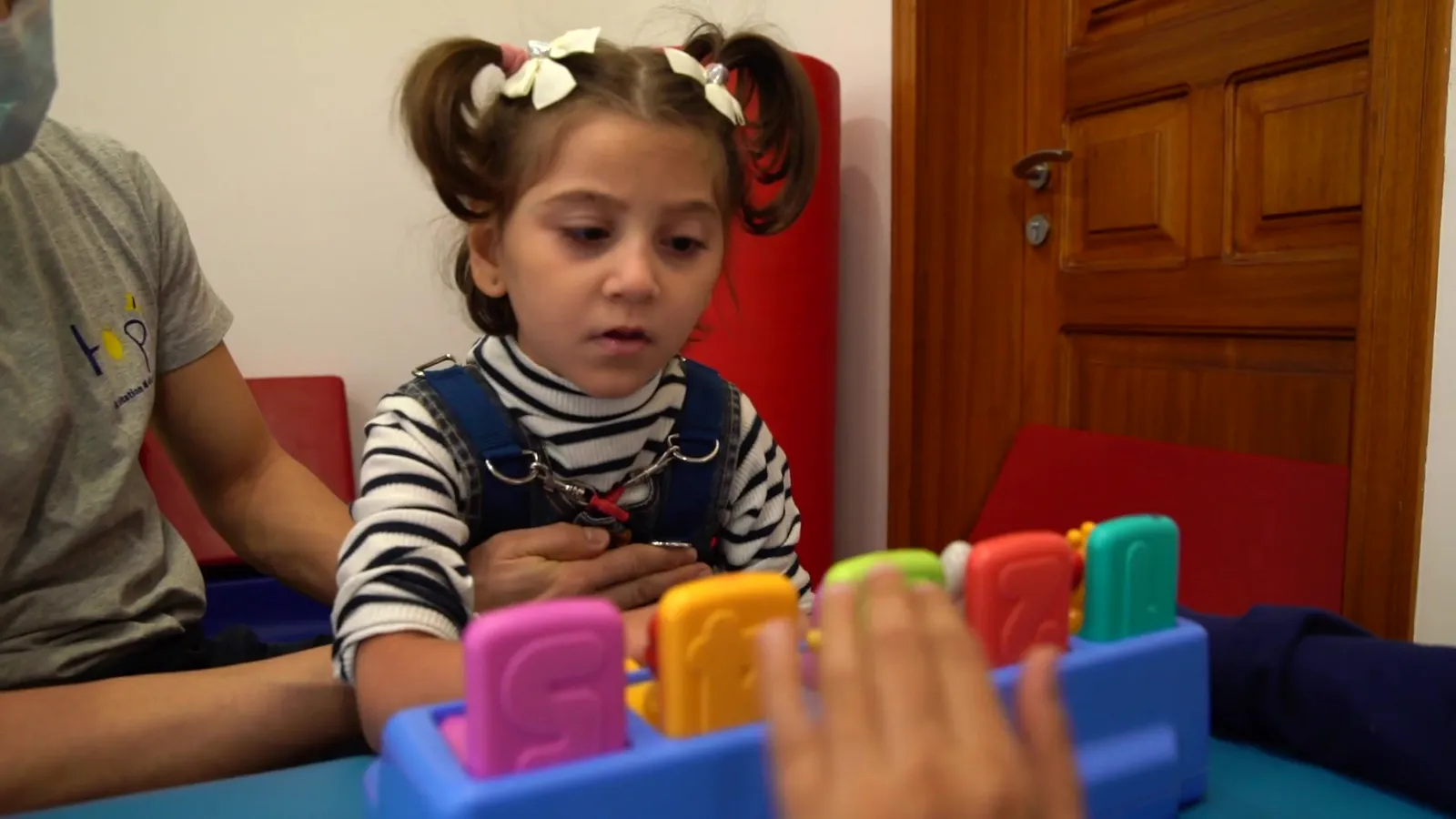
At Hope AMC, occupational therapy helps children develop the skills they need for daily activities, play and learning. We support children with developmental delays and conditions such as cerebral palsy, hypoxic-ischemic encephalopathy (HIE), brain injury and other neurological conditions, with therapy tailored to each child’s needs and goals.
Our Occupational Therapy Services
Daily Living Skills
We help children build independence in everyday activities such as dressing, grooming, toileting and managing daily routines.
Fine Motor Skills
Therapy supports hand strength, grasp, finger coordination, bilateral hand use and eye–hand coordination for play, self-care and everyday tasks.
School Readiness & Handwriting
We support the skills needed for classroom participation, including pencil control, pre-writing, letter formation, spacing, use of learning materials and managing school routines.
Sensory Processing & Sensory-Motor Skills
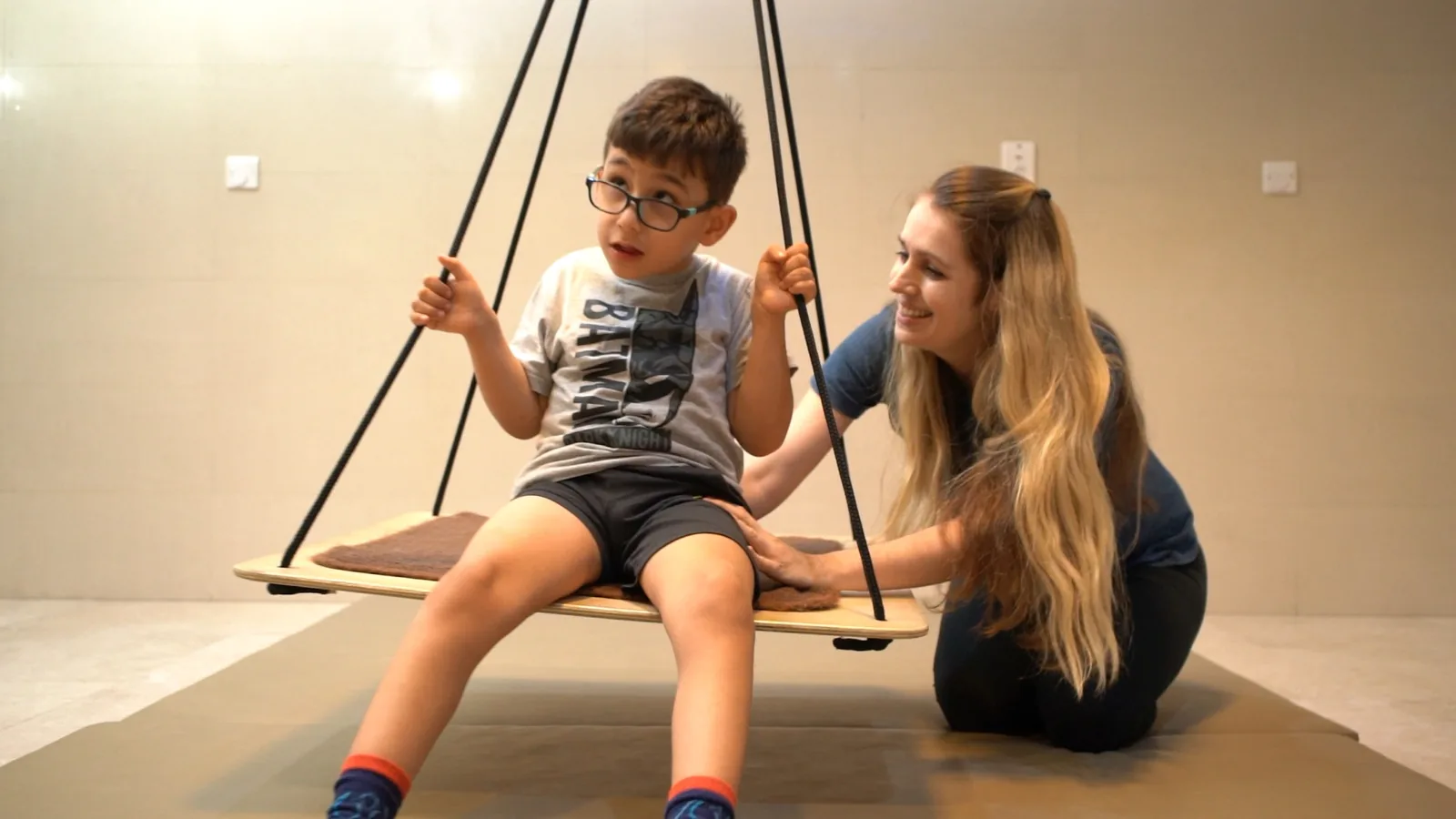
When sensory needs affect everyday participation, therapy may address sensory responses, body awareness, balance, coordination and motor planning to support play, learning and daily routines.
Cortical Visual Impairment (CVI)
For children with CVI, therapy may support visual attention, tracking, object recognition and visually guided interaction during play and everyday activities.
Feeding Support for Picky Eaters
Children who struggle with food variety, textures or mealtime participation may benefit from individualized feeding support and practical strategies for families, with multidisciplinary collaboration when needed.
Our Approach
We begin with an individualized assessment, set meaningful goals with the family and provide targeted therapy with strategies that can be practiced in everyday routines. Progress is reviewed regularly, with collaboration across disciplines when appropriate.
Who Can Benefit from Occupational Therapy?
Children with developmental delays, neurological conditions, sensory-motor difficulties, CVI, handwriting or school-readiness challenges, feeding-related difficulties or reduced independence in daily activities may benefit from an OT assessment.
Hope AMC — Supporting children’s participation and independence.
Book an Occupational Therapy Assessment · Contact Hope AMC
A request does not confirm an appointment. We’ll contact you.
Rehabilitation
- Pop-Up Intensive Therapy Programs
- Prevocational Program
- School Readiness Program
- Intensive Therapy International
- DMI Therapy
- TASES
- ABA Therapy
- Scoliosis Therapy
- Prechtl General Movements Assessment
- Vitalstim Therapy
- Early Intervention
- Telehealth
- Intensive Therapy
- Physiotherapy
- Spider Cage
- Dunag-02 Suit
- Cuevas Medek Exercises (CME)®
- Speech Therapy
- Social Skills Group
- Feeding Therapy
- Tube Weaning
- Picky Eaters
- Occupational Therapy
Opening Hours
- Monday – Sunday
- 08:00 – 19:00
A Team Around Your Child.
Medical specialists, rehabilitation therapists and case managers working together to support your child’s individual journey.






Frequently Asked Questions
How is occupational therapy different from physiotherapy?
Occupational therapy focuses on participation in everyday activities. Physiotherapy focuses more directly on movement and physical function. Their work can overlap, and some children benefit from both.
Can occupational therapy support sensory needs?
An occupational therapist can assess how sensory experiences affect daily participation and recommend appropriate strategies.