Support for movement, balance and coordination, with goals based on your child’s assessment.
- Movement
- Balance
- Motor development
Related services: CME · DMI · Intensive therapy · Spider Cage · Dunag-02 Suit · TASES · Scoliosis therapy
Support for movement, balance and coordination, with goals based on your child’s assessment.
Related services: CME · DMI · Intensive therapy · Spider Cage · Dunag-02 Suit · TASES · Scoliosis therapy
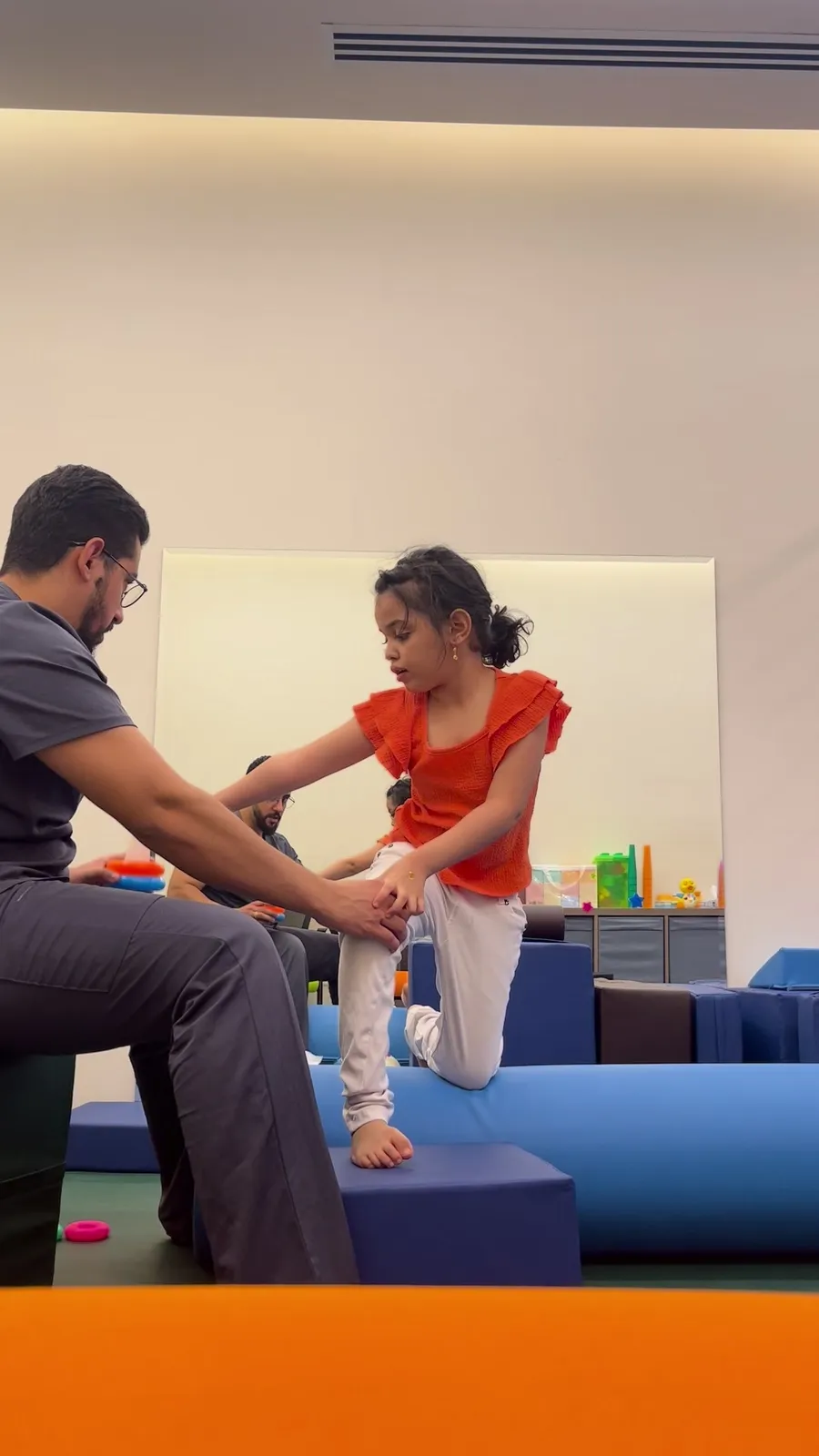
Following assessment, your physiotherapist recommends an approach suited to your child. Goals may relate to balance, coordination, strength, mobility, or participation in daily activities.
Where appropriate, your plan may include specialist approaches or an intensive program. The choice of approach follows assessment and discussion with your family.
Hope AMC helps you understand the next step
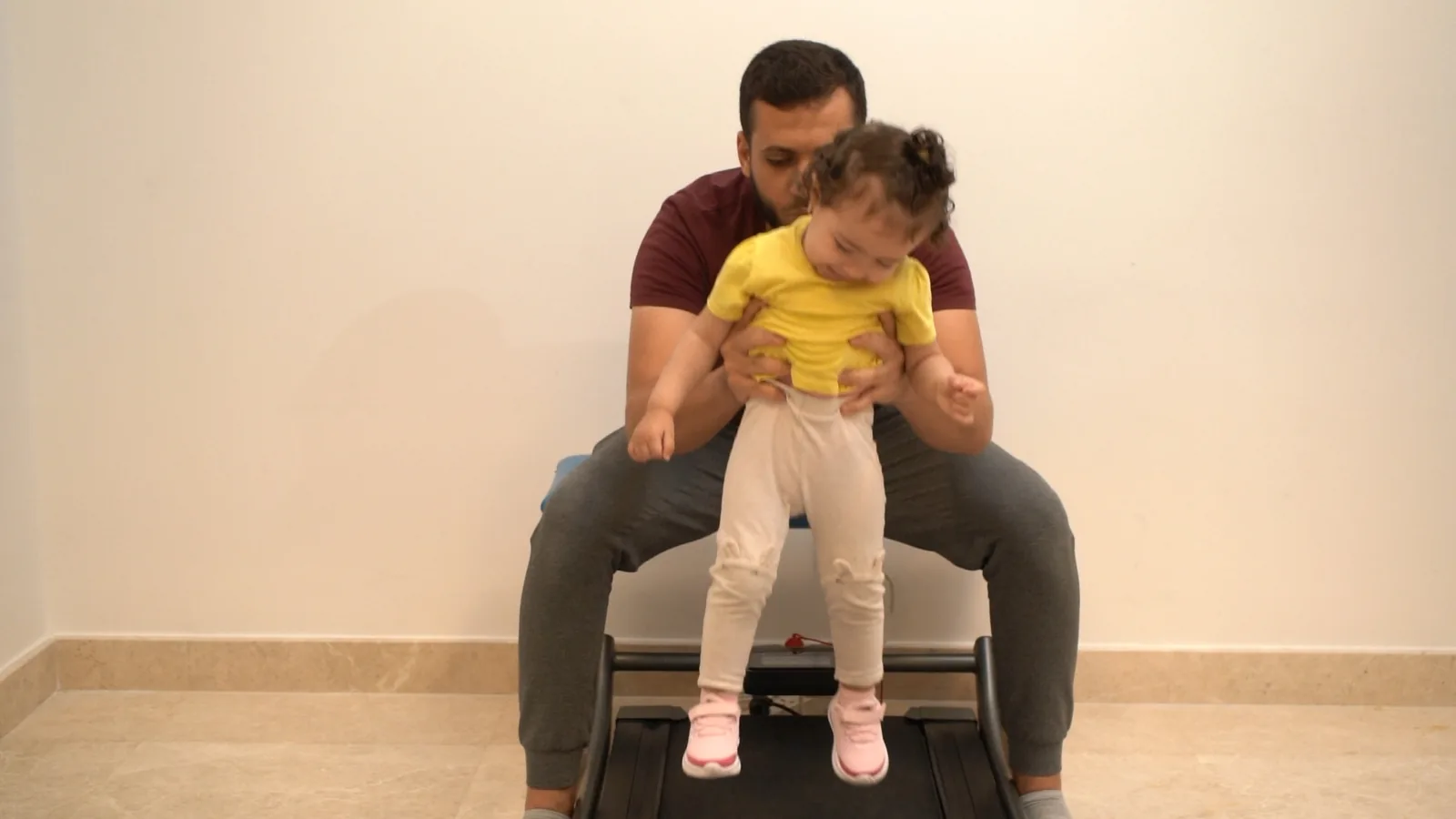
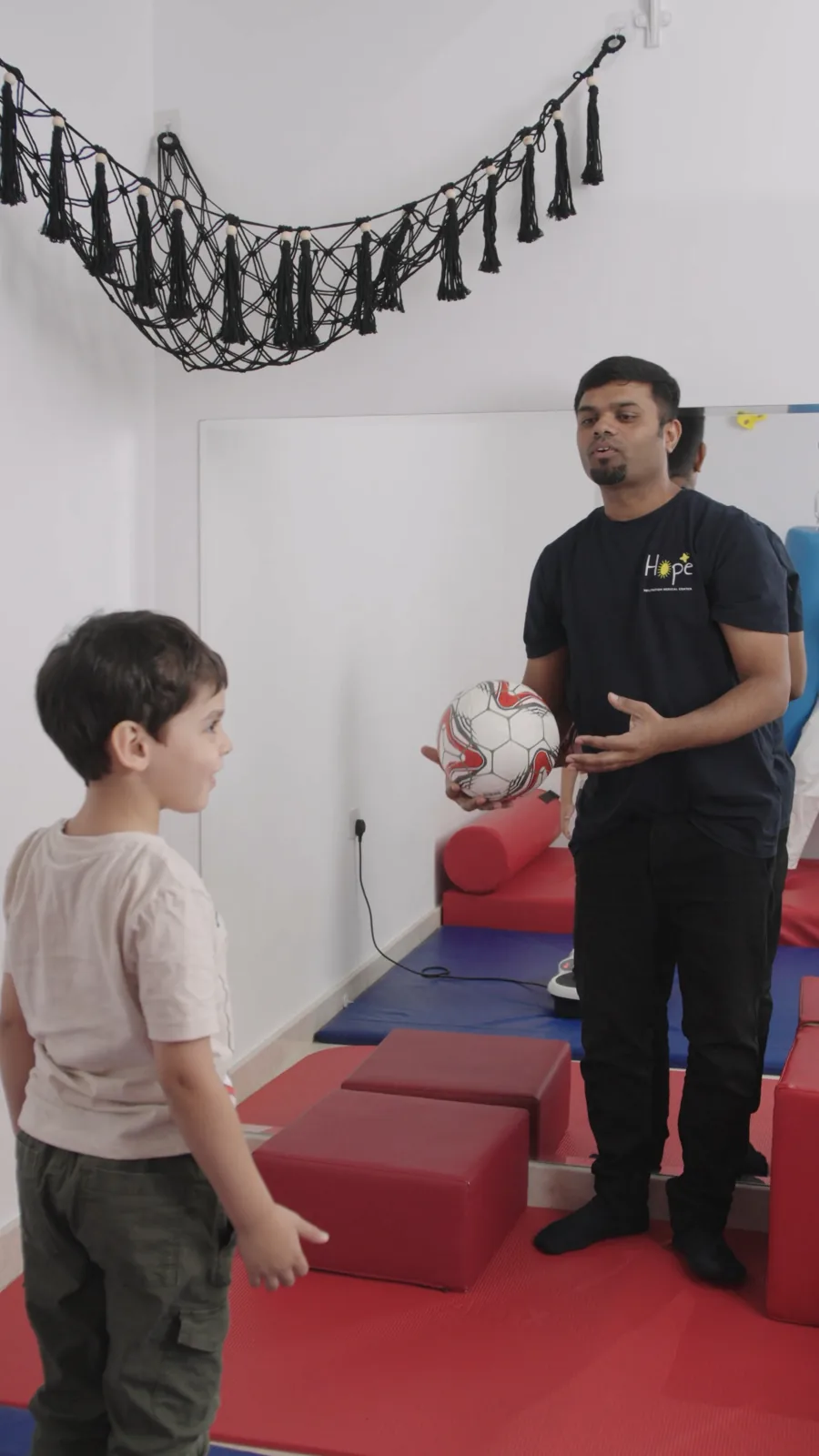
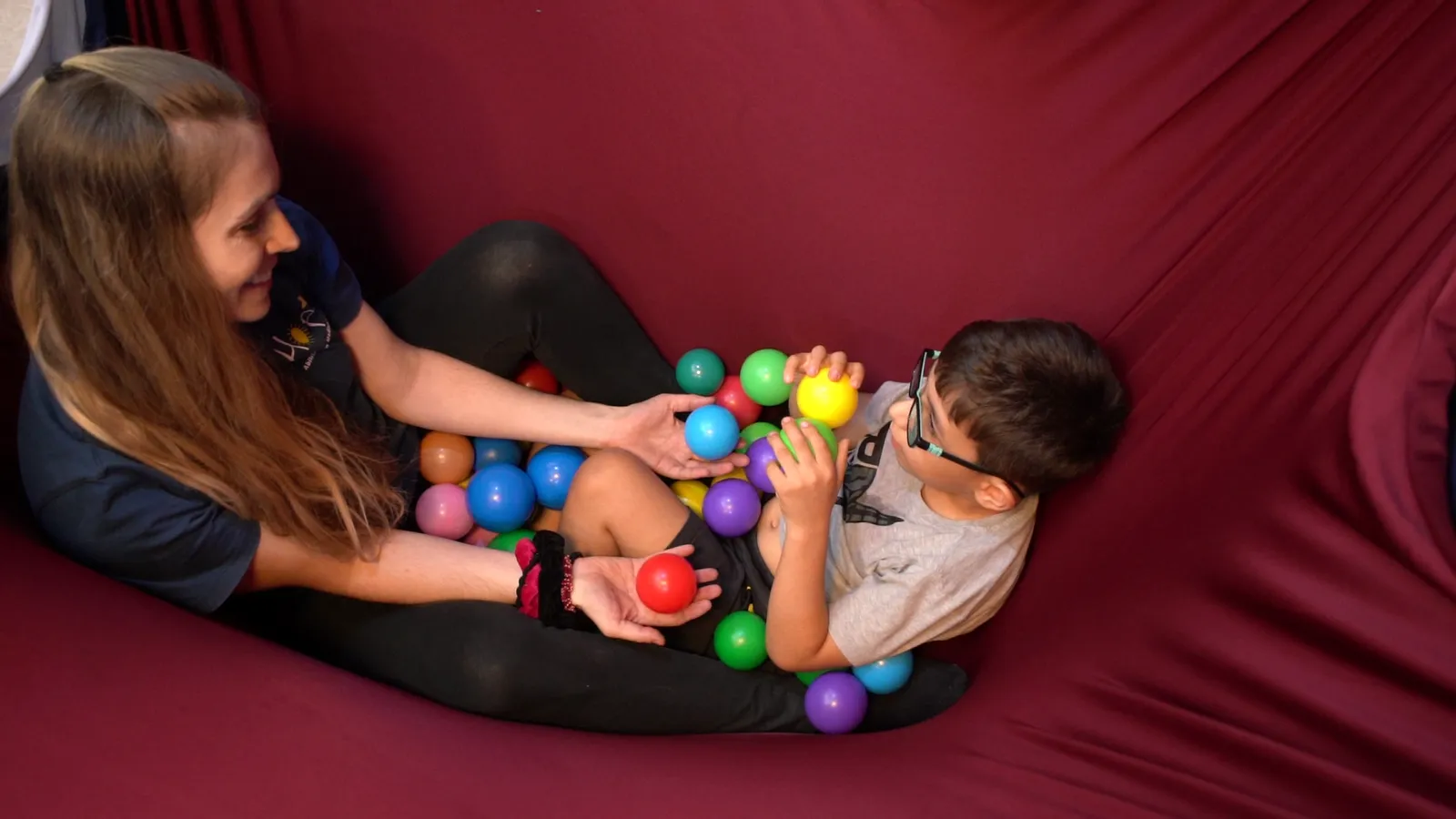
Pediatric physical therapy helps children improve muscle strength, mobility, alignment, balance, and motor function. This is particularly beneficial for children with neurological conditions, developmental delays, prematurity, genetic disorders, or challenges involving motor development. Our program includes internationally recognized methods such as CME Level III, Dynamic Movement Intervention or DMI, and neurodevelopmental rehabilitation. These techniques help children learn functional movement patterns and reach milestones such as crawling, sitting, standing, and walking. The goal is not only to progress inside therapy sessions. It is confidence and functional independence in the real world.
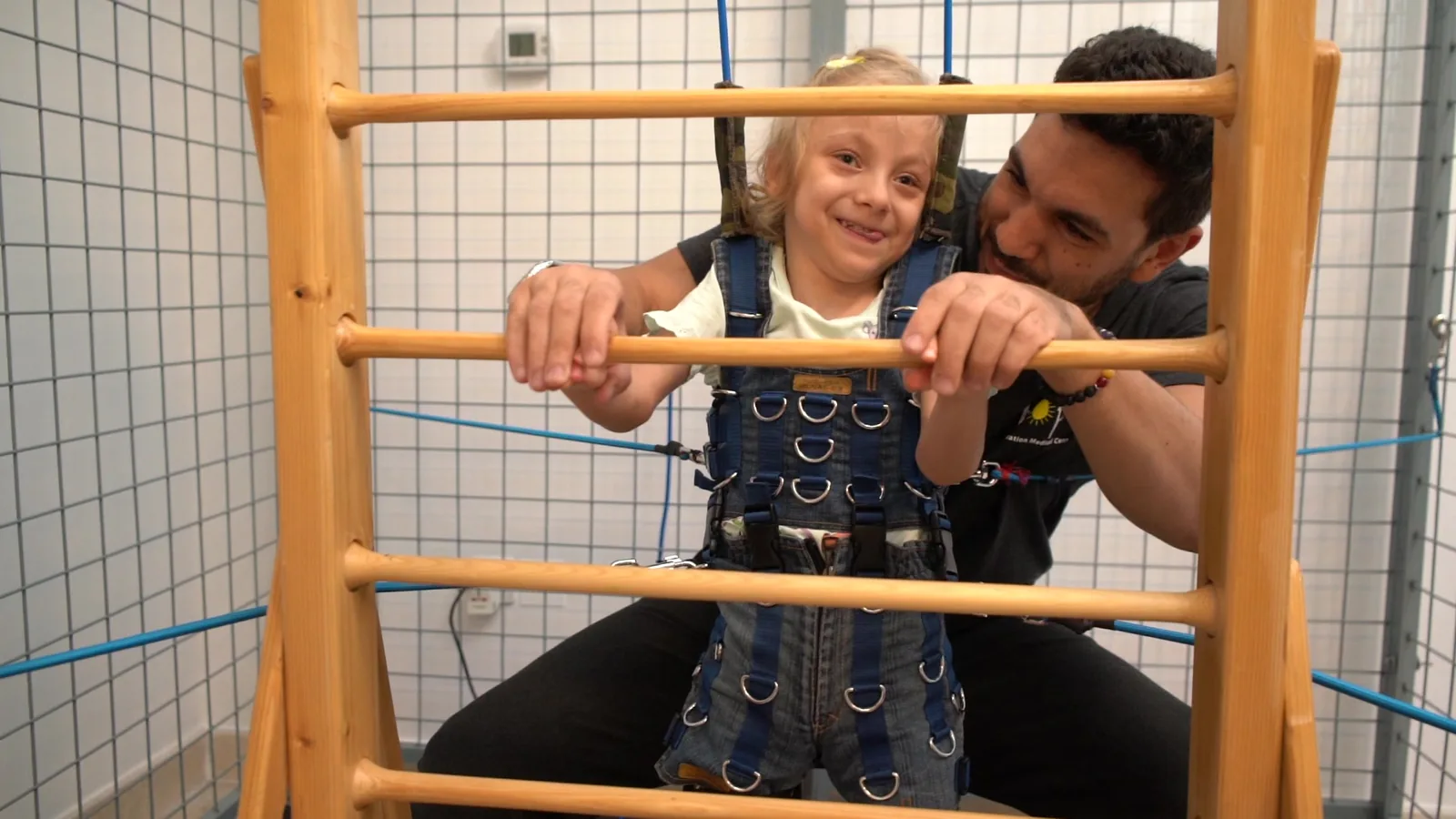
Pediatric physical therapy programs support children in building strong movement foundations that benefit long-term health and daily participation. With ongoing guidance from trained pediatric physiotherapists, children learn to move efficiently and confidently. Our pediatric therapy helps to:
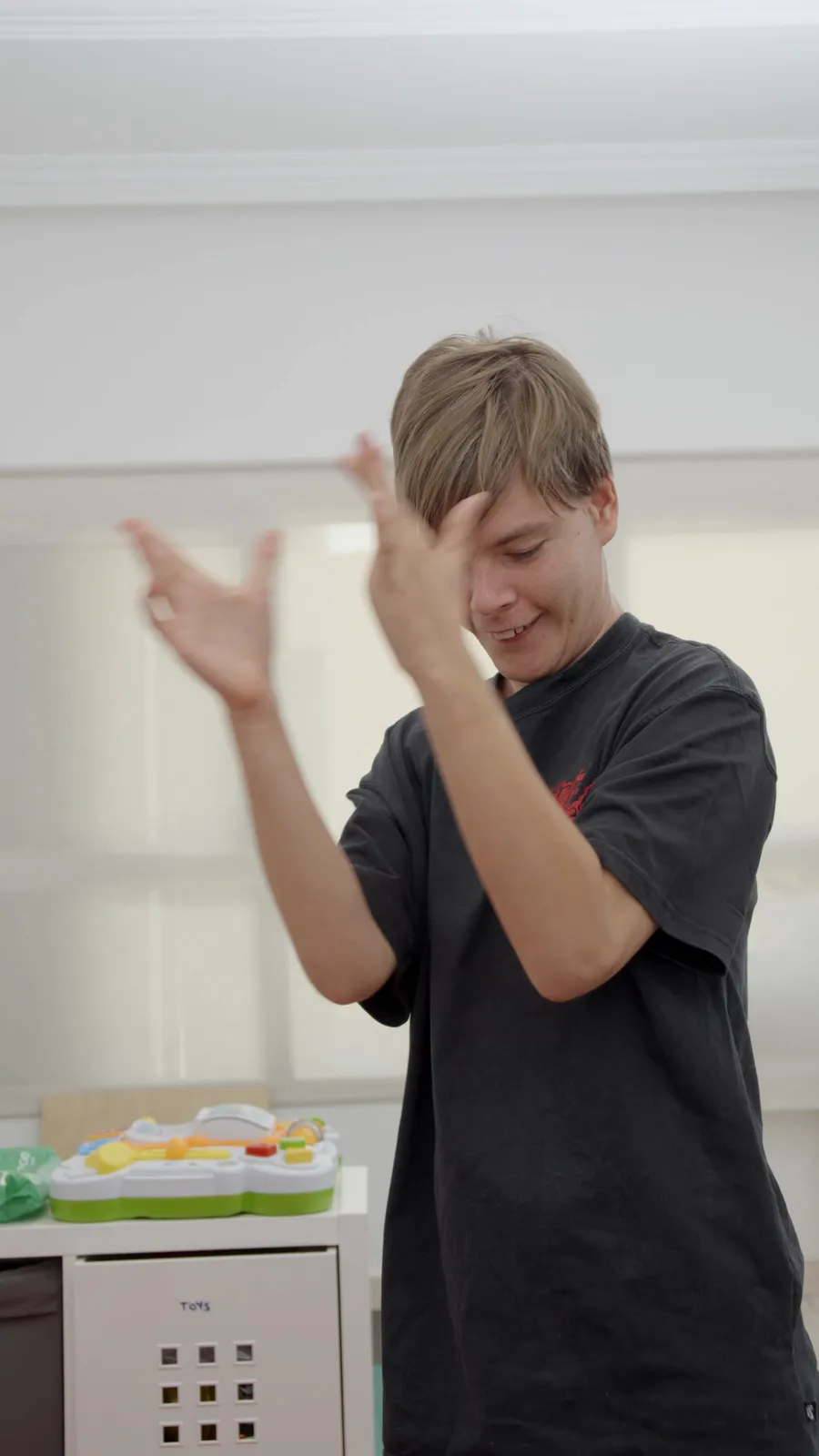
Physiotherapy sessions last 45 minutes. Your therapist selects the activities and equipment after assessment and adapts them to your child’s needs and goals.
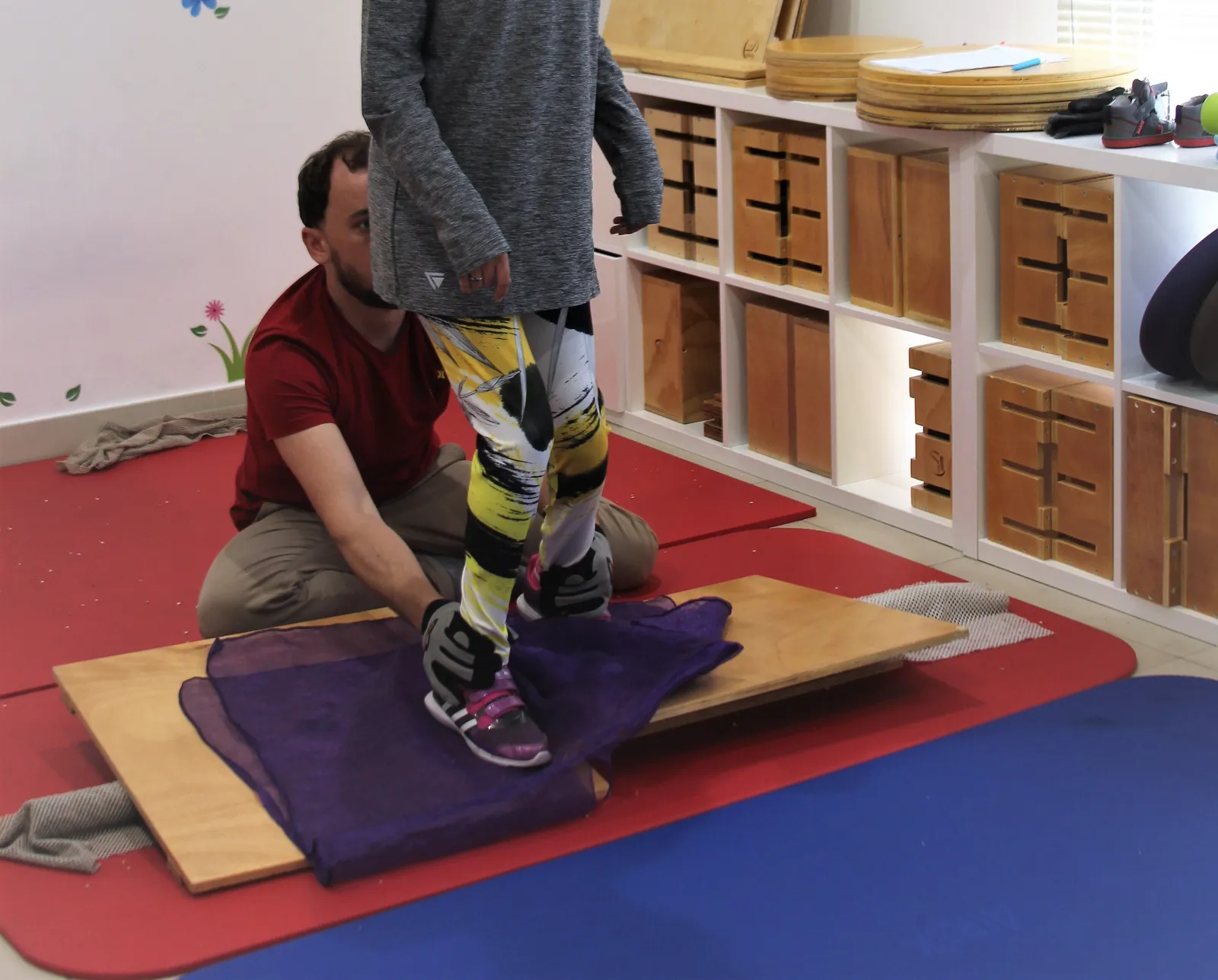
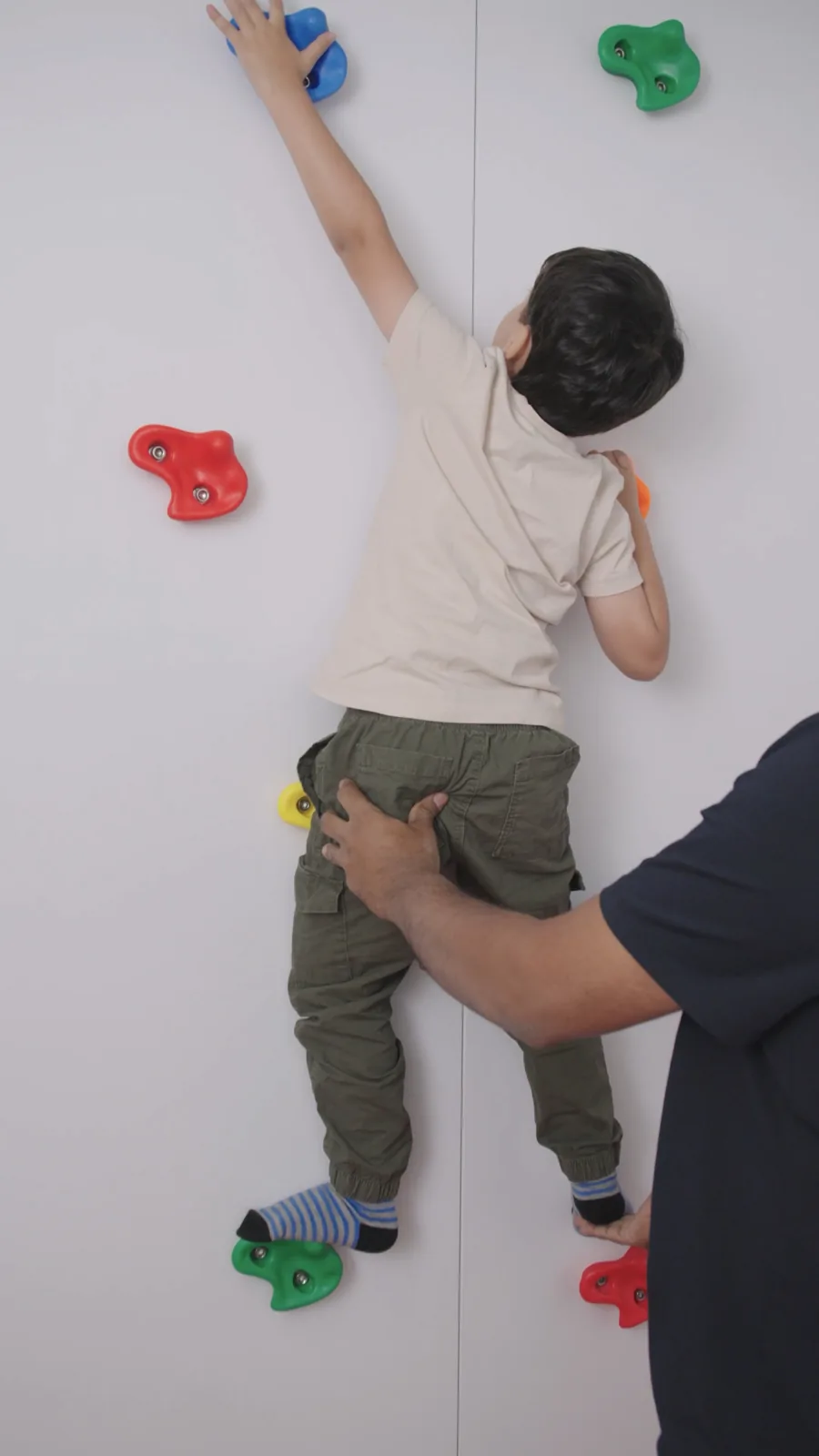
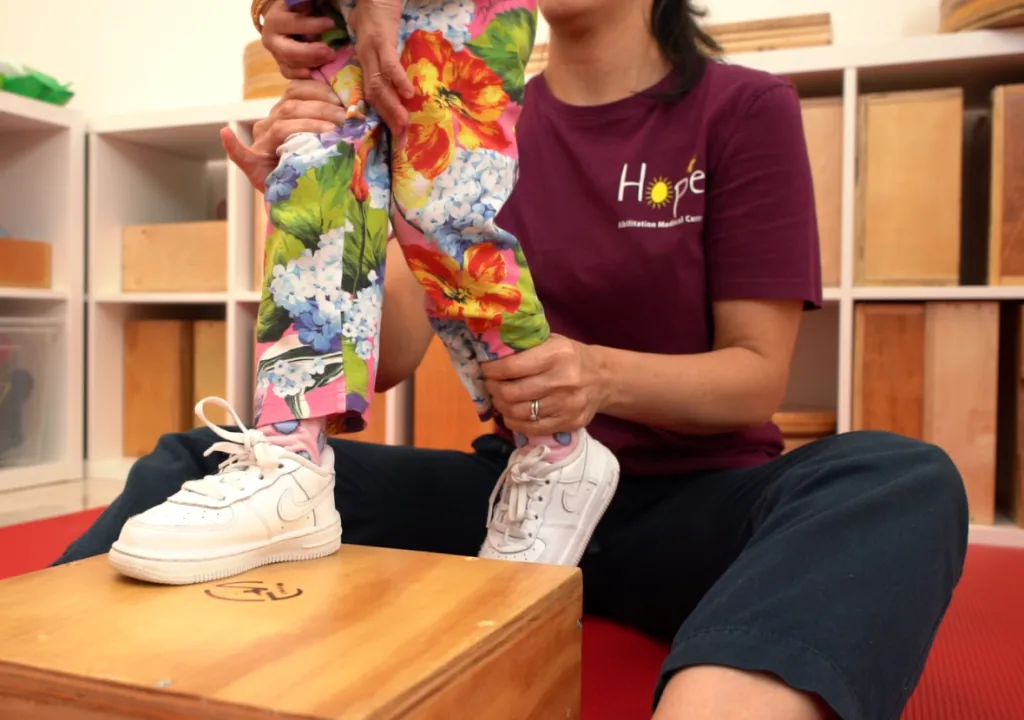
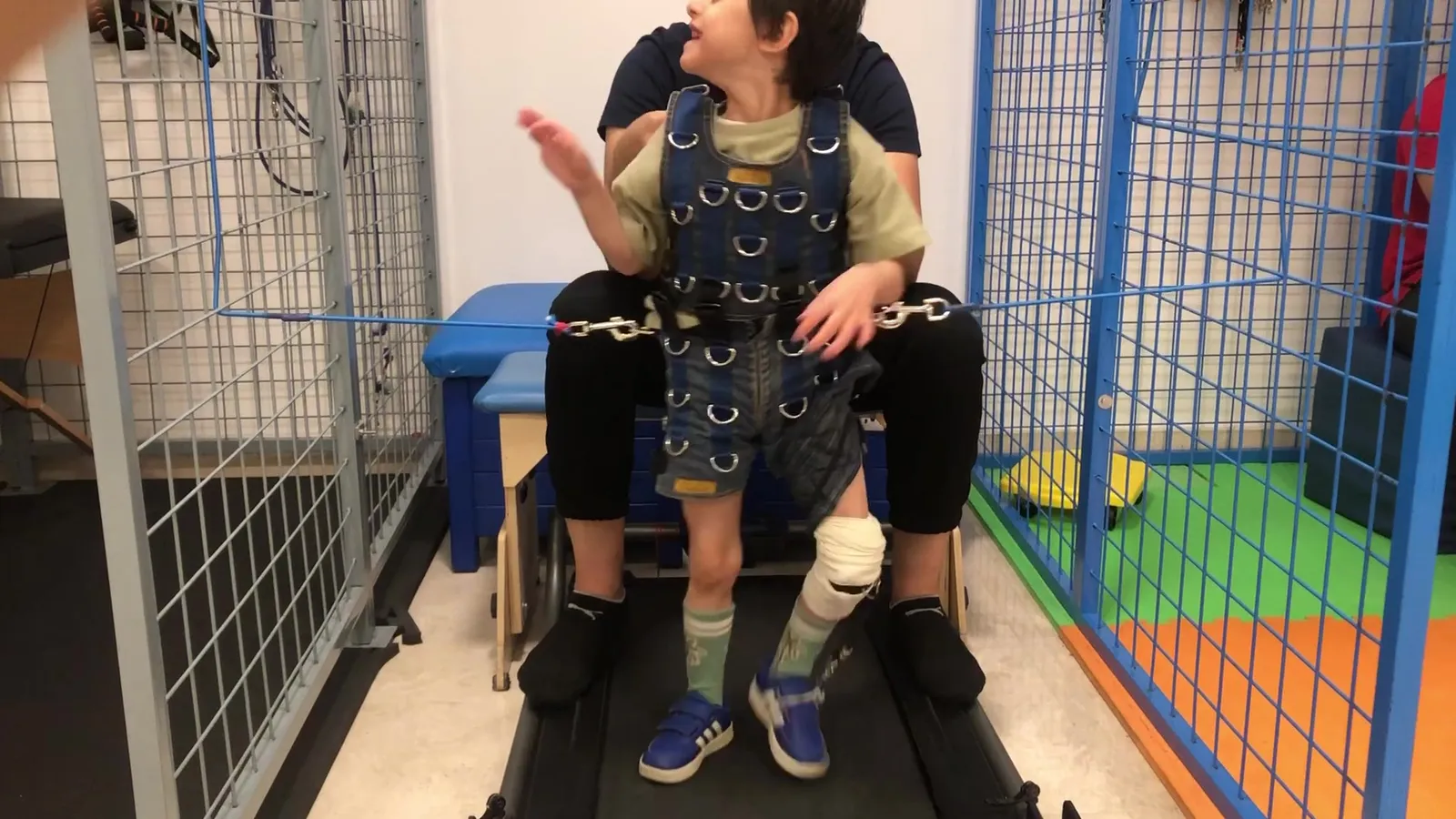
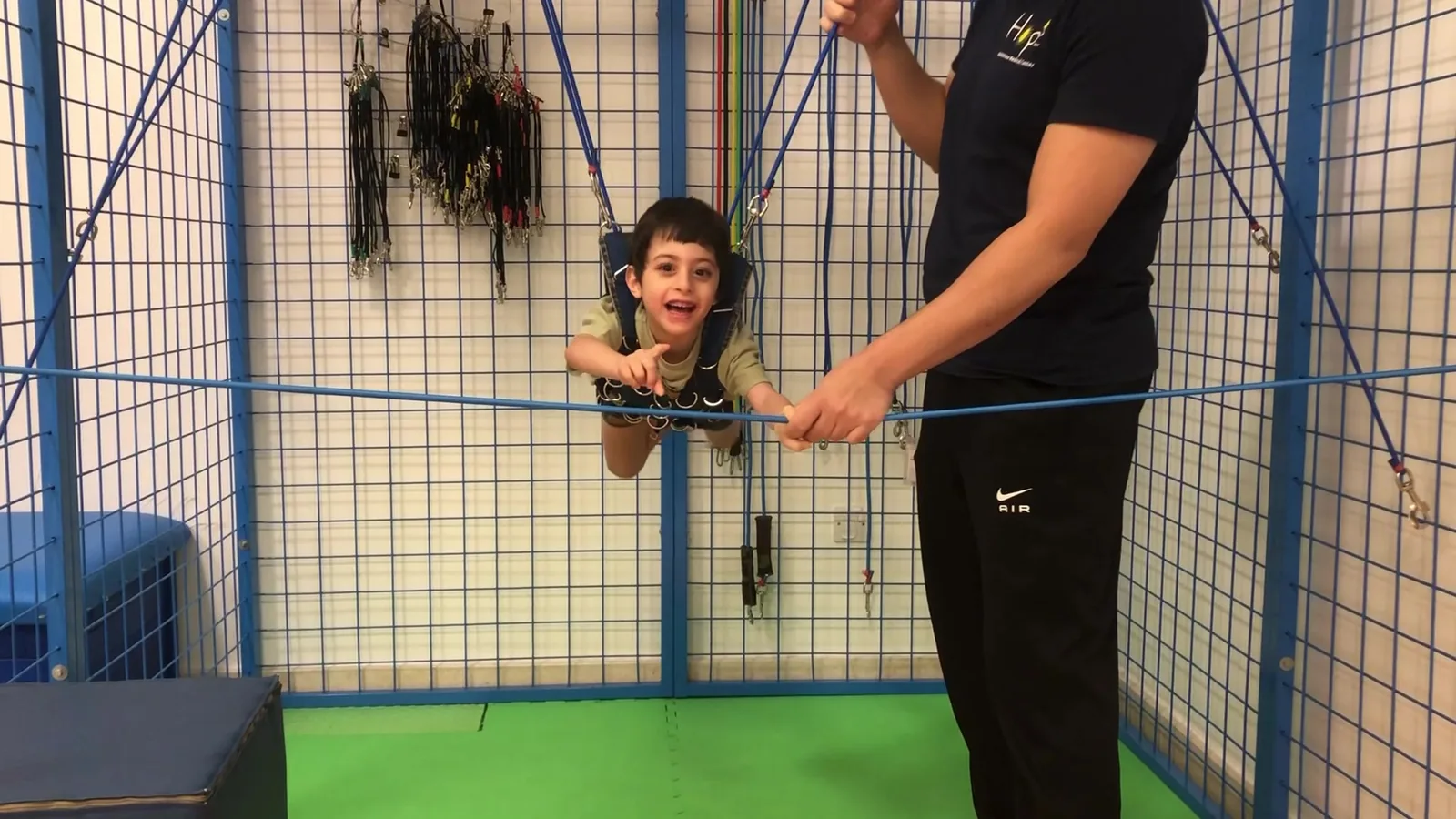
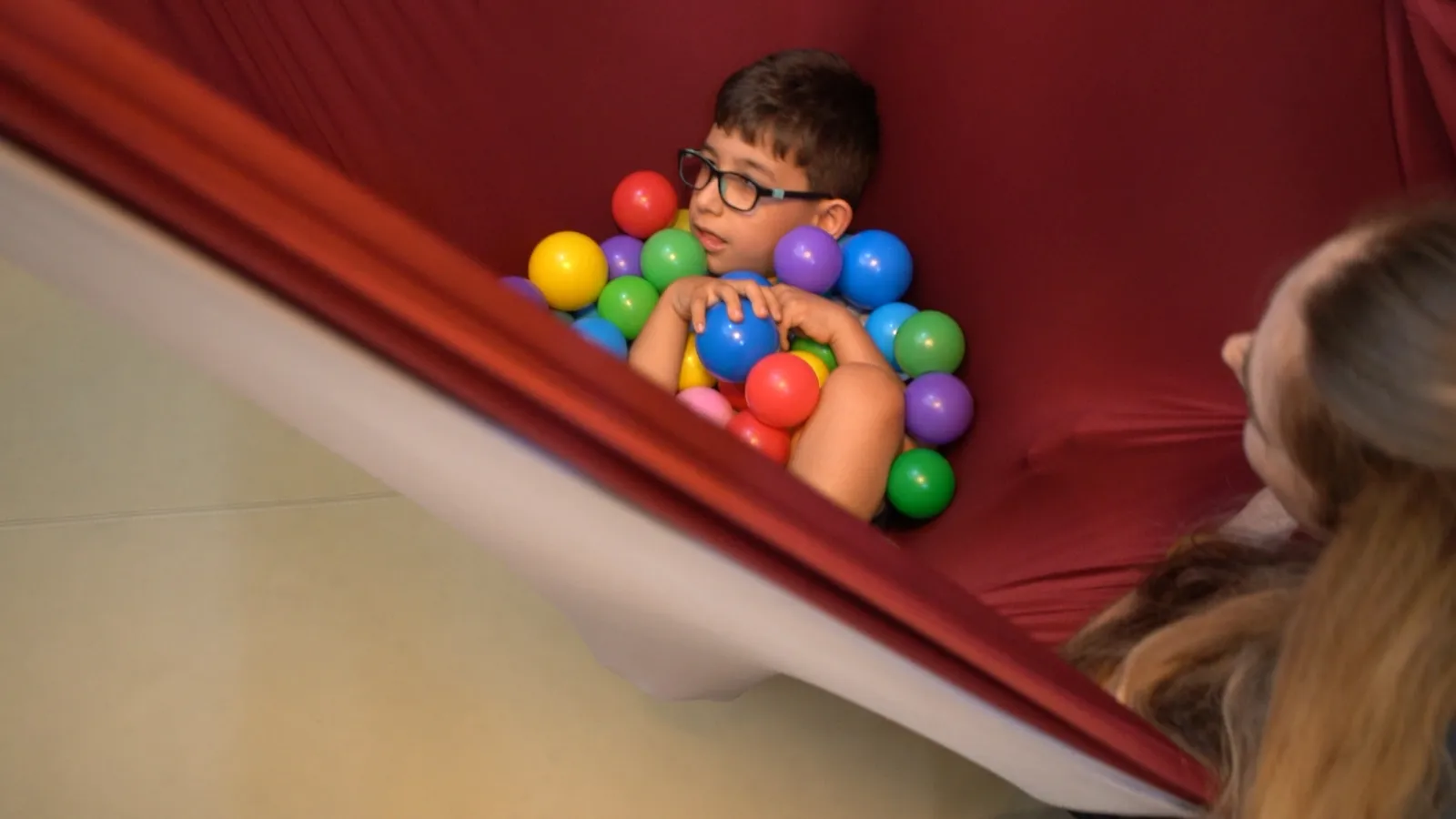
Your therapist explains the purpose of the recommended activities and how progress will be reviewed. Practical guidance helps connect work in the therapy room with suitable activities at home.
To support progress, our pediatric physiotherapy program includes multiple therapy approaches that address different physical needs.
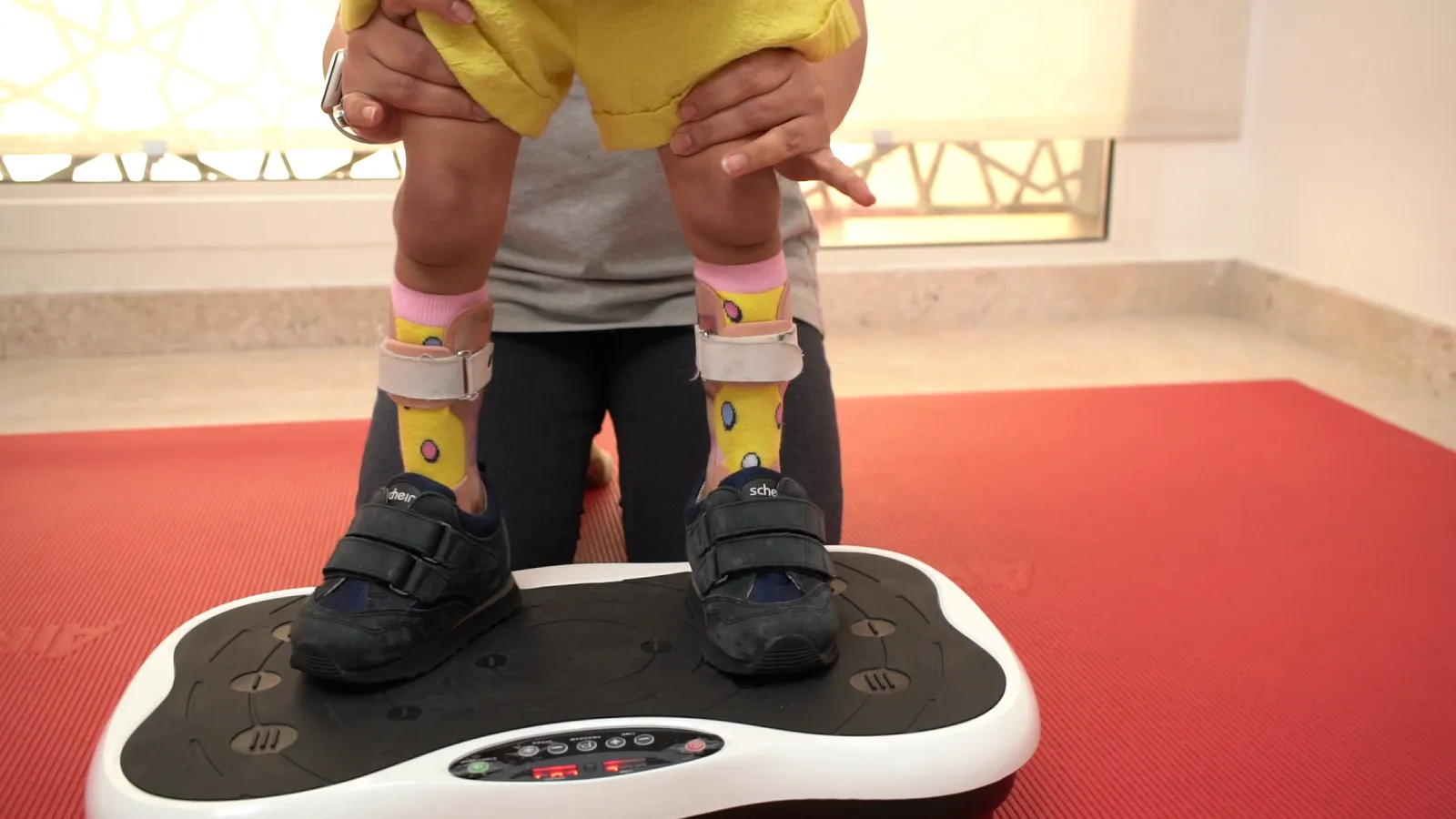
Supports children with cerebral palsy, genetic syndromes, brain injury, neuromuscular conditions, and developmental delays.
Improves walking patterns, safety, balance, endurance, and functional independence.
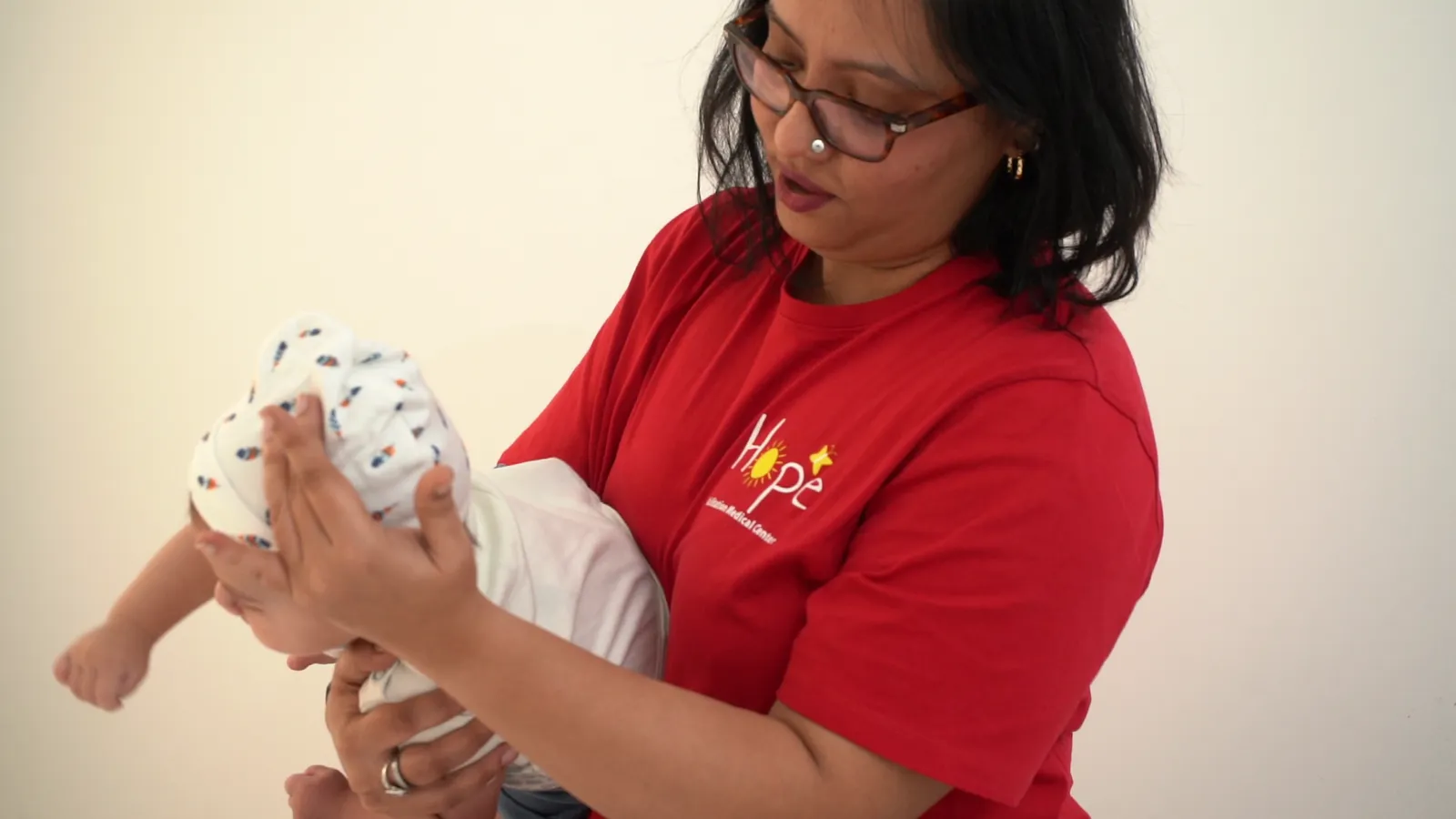
Supports infants and toddlers through Early Intervention Therapy for motor growth and coordination development.
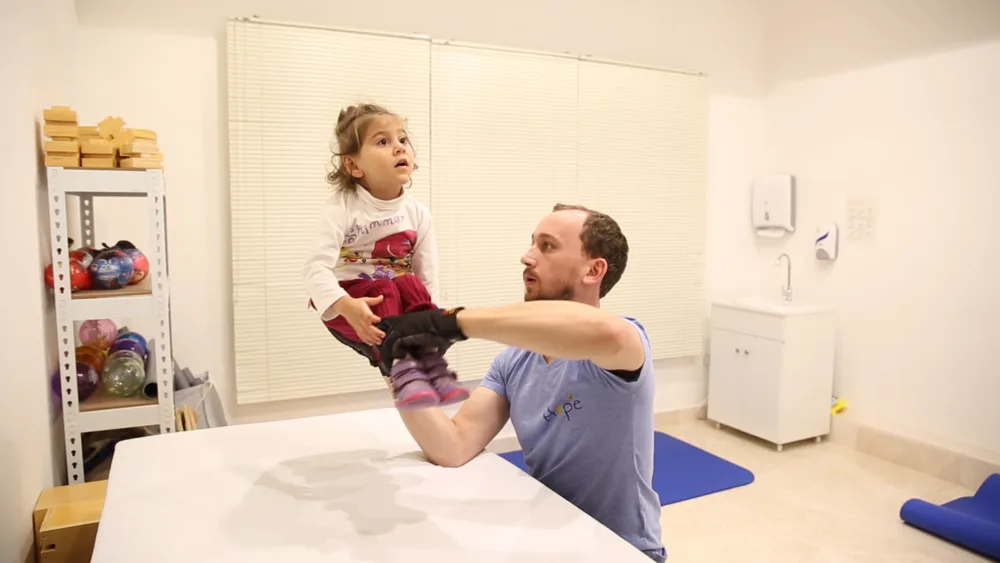
Our team includes certified pediatric physiotherapists trained in methods like CME and DMI.
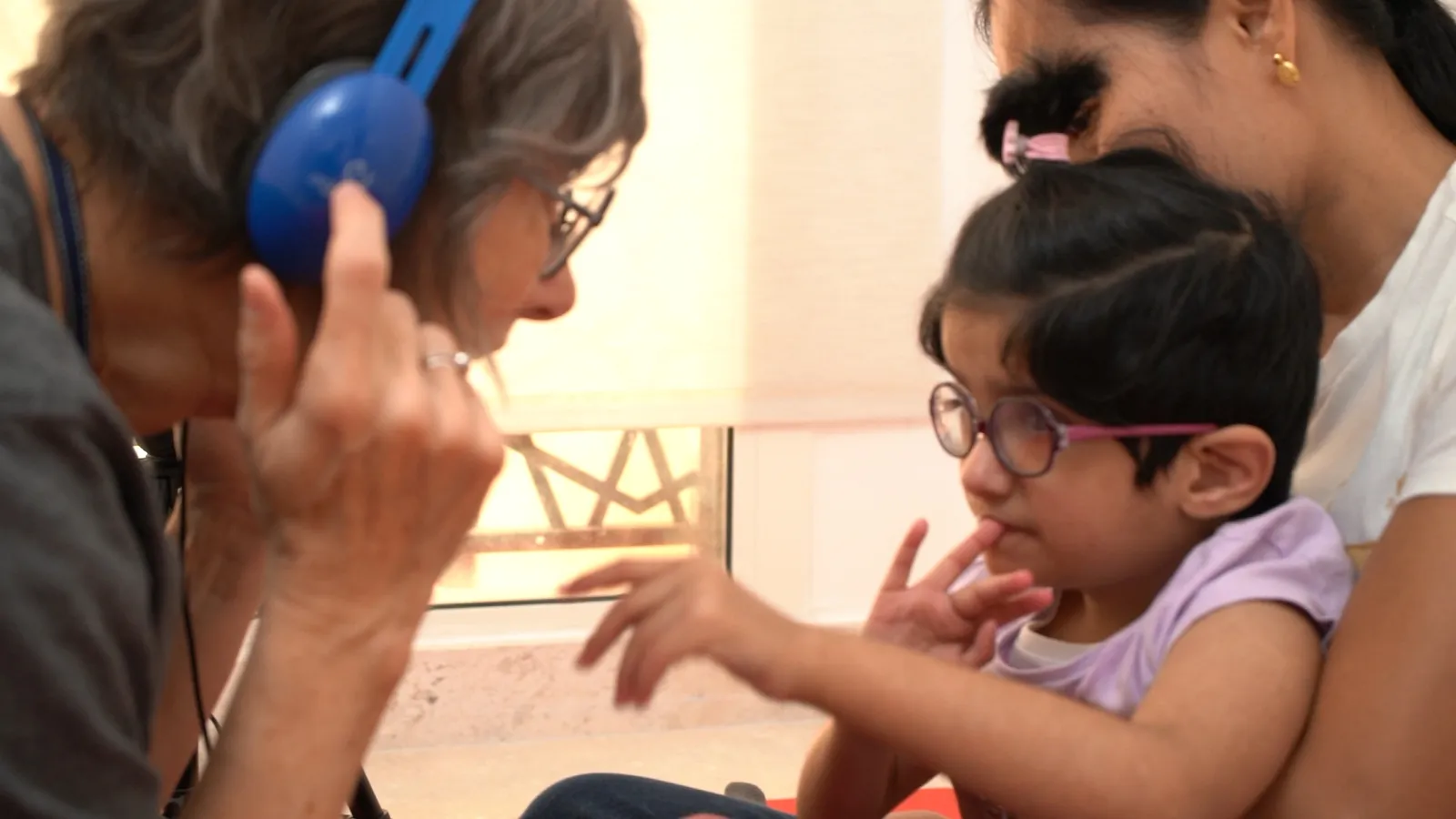
We support the child’s physical development and emotional confidence through meaningful movement.
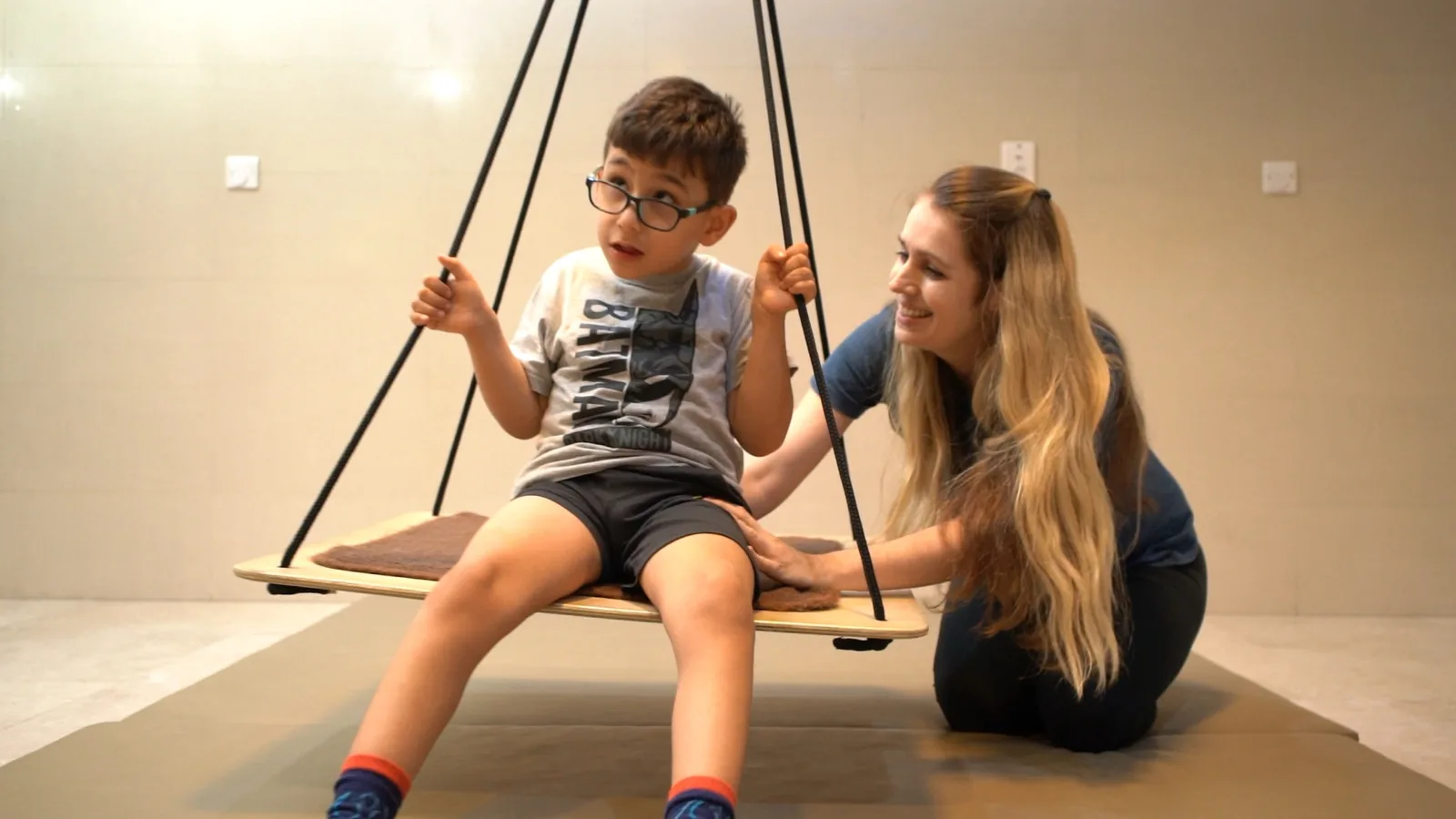
Every program is personalized based on diagnosis, age, needs, and progress.
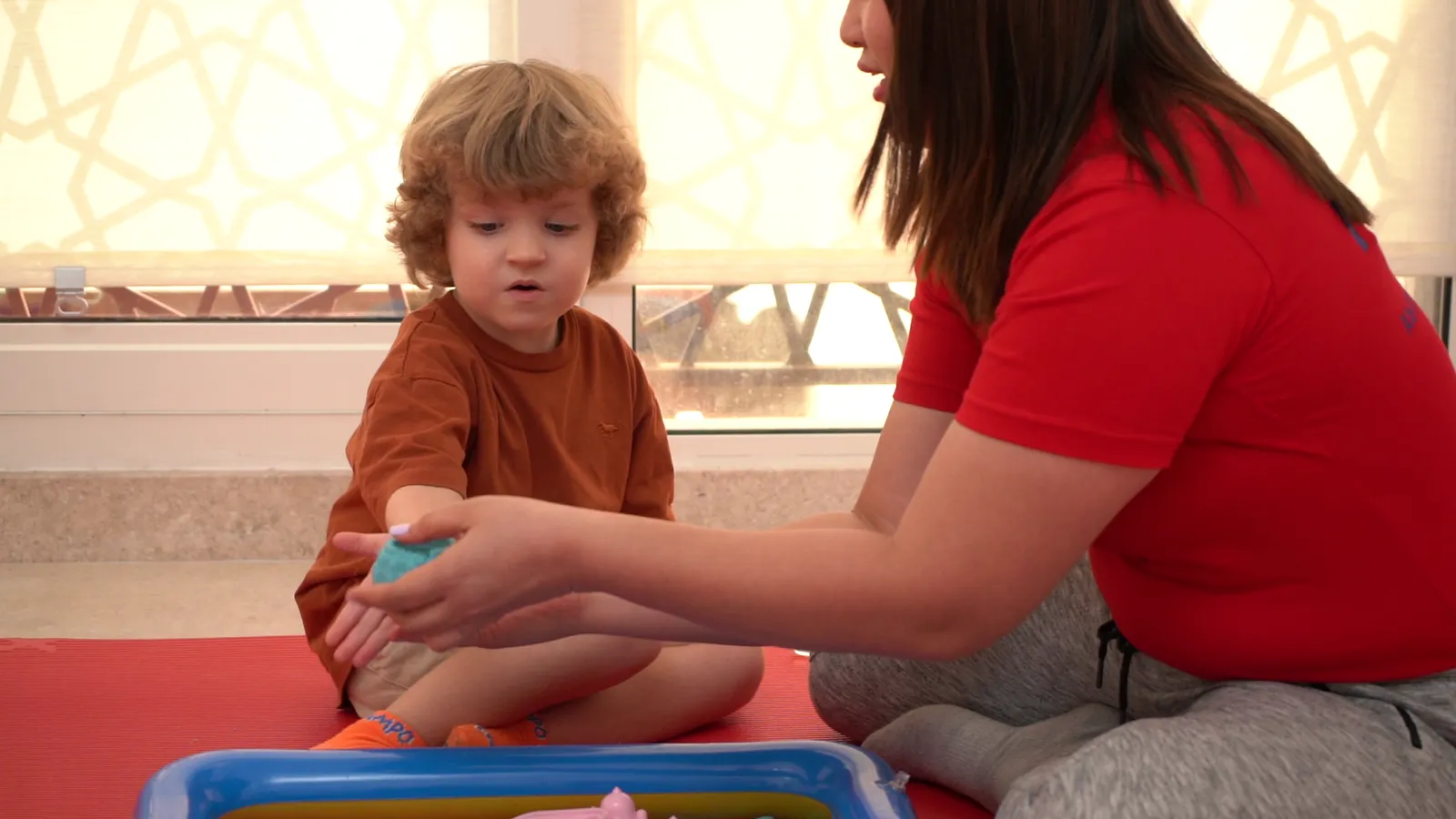
As the child progresses, goals and therapy intensities evolve to match the next stage of development.
At Hope AMC, physical therapy works best when families are actively involved at every step. Our team maintains open communication with parents and caregivers to ensure everyone understands therapy goals, monitors progress, and applies recommended home strategies.
Collaborative Care
We collaborate with other specialists, such as pediatricians, orthotists, occupational therapists, feeding therapists and speech therapists, to provide a complete and coordinated developmental pathway for your child.
Maintain Open Communication
Every therapy plan is reviewed regularly and adjusted as children grow, develop, and achieve new milestones.
Stay Involved
Your presence and participation during sessions create a strong foundation of support for your child’s progress.
Ensure Consistency at Home
Apply the strategies taught during physiotherapy sessions at home to reinforce learning and maintain steady development.
Every small step forward counts. With the right support, care, and teamwork, your child can continue to thrive in therapy and beyond.
How Does Physiotherapy Benefit Children?
Physiotherapy helps improve movement, strength, balance, and overall physical function in children. Using exercises and techniques learned during physiotherapy services helps reinforce physical development and ensures lasting progress.
Where Do You Find the Best Physiotherapy Service in Dubai?
Hope AMC offers evidence-based physiotherapy in Dubai with licensed therapists, customized treatment plans, and family-centered care. At Hope AMC, children receive advanced physiotherapy programs tailored to their physical needs.
Parental involvement and consistent follow-through enhance the overall success of the treatment.

Medical specialists, rehabilitation therapists and case managers working together to support your child’s individual journey.
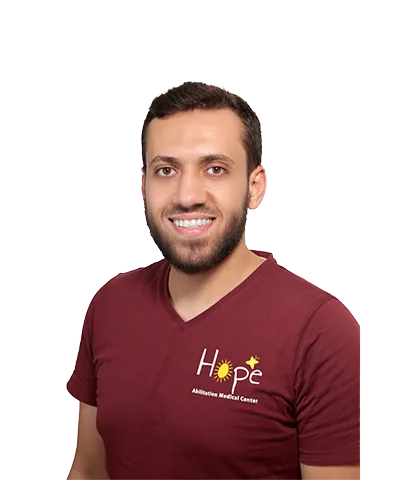 Amr Pediatric Physiotherapy Specialist / Team Leader View Profile
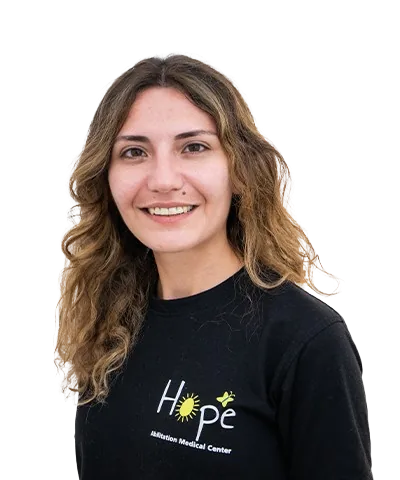 Ayşegül CME Therapist View Profile
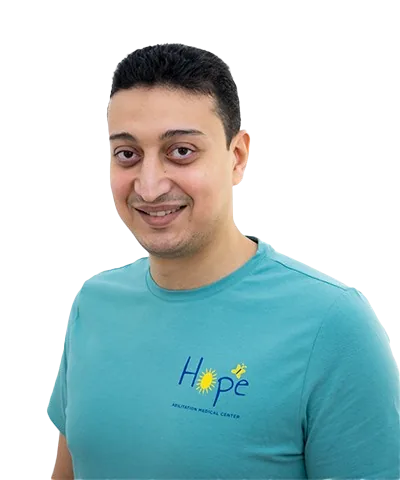 Khaled Physiotherapist View Profile
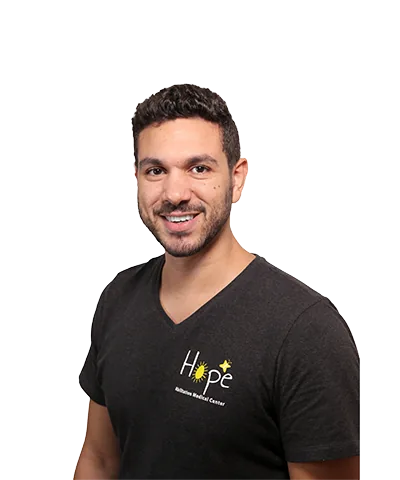 Mostafa Pediatric Physiotherapist View Profile
 Moustafa Hafez Pediatric Physiotherapist View Profile
 Nehal Pediatric Physiotherapist / Early Intervention Expert / NICU physiotherapist View Profile
No. Session frequency and program structure depend on assessment, goals, tolerance, and family circumstances.
Yes. Our team can discuss these approaches and assess whether they are appropriate for your child.