





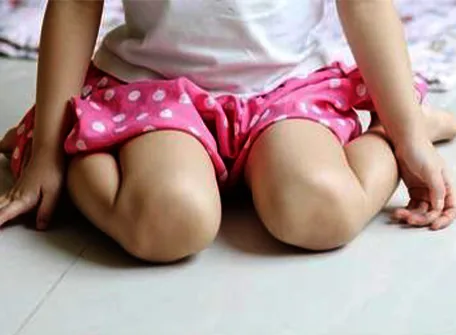
What is W – Sitting and Why do Children Prefer this Position?
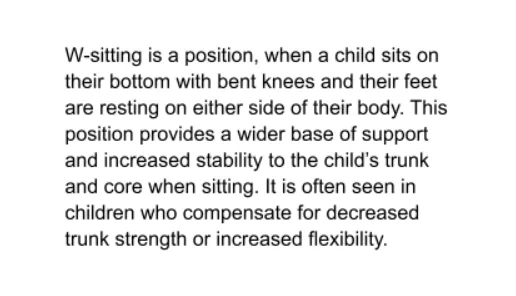
The Effects of W Sitting:
- Shorter and tighter leg muscles which can later impact a child’s gross motor skills and overall coordination.
- Increased risk for hip dislocation.
- Locks the child’s trunk into one position which can impact upper body rotation and bilateral coordination.
- Delayed core muscle development because the muscles are left unused as the child is relying on their legs for stability. Decreased trunk strength and stability can impact a child’s fine/gross motor skills, balance, and stability.
How to Decrease W Sitting:
Redirect your child in alternative positions like, side sitting, tailor sitting or long legs sitting when W-sitting is observed.
Increase your child’s core strength by engaging in Animal walks, yoga poses, tummy time activities, rolling on the floor, and obstacle courses.
Play at the table as this requires your child to sit in a chair in an upright position.
Alternative Ways to Sit:
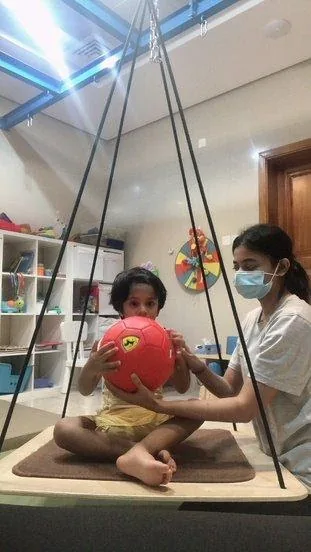
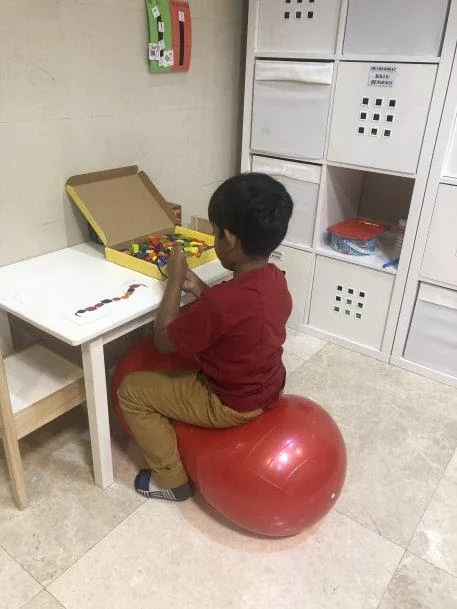
If your child continues W-sitting and is struggling to maintain any other position, it may be beneficial to have your child evaluated by an pediatric occupational therapy specialist to make sure w-sitting is not impacting their ability to be independent and functional in their daily lives.