



It is the biggest dream of every parent to see their baby grow healthy and happy. But what you wish may be different from reality. When you start noticing a small flat spot on your baby’s head, it can be worrying. Many parents begin to wonder if it will fix itself or if it might affect their child’s development later. The truth is, many parents share this concern and, thankfully, it can be addressed with gentle care and proper guidance.
An Overview of Flat Head Syndrome
Flat Head Syndrome, also known as plagiocephaly, is a condition where a baby’s head develops an uneven shape. It normally occurs when babies spend long hours lying in one position or due to tight neck muscles that restrict or limit head movement. While some mild cases can improve with repositioning and tummy time, others may need a little extra help. That’s where helmet therapy makes a difference.
What Is Helmet Therapy and How Does It Work?
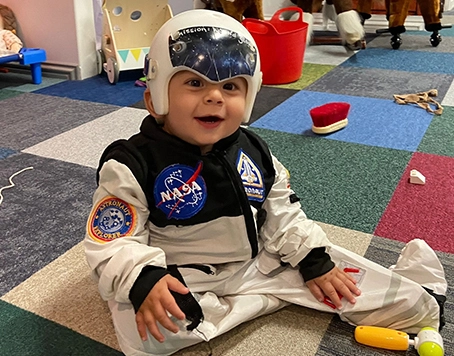
Helmet therapy, also called cranial orthosis helmet therapy, is a specialized treatment designed to help a baby’s skull grow into a more natural, rounded shape. A cranial remolding helmet applies gentle, consistent pressure to the prominent areas of the skull while allowing room for growth in flatter areas.
The baby’s skull is soft and flexible in the first year of life, which makes this the perfect time for correction. As the baby grows, the helmet guides the head into a symmetrical shape without causing pain or discomfort. Babies typically wear the helmet designed for plagiocephaly for around 23 hours a day, with short breaks and regular adjustments guided by specialists.
Hope AMC: Treating Flat Head Syndrome with Expertise and Compassion
At Hope AMC in Dubai, every treatment plan begins with understanding the family’s needs. The center’s team of pediatric specialists and certified orthotists combines advanced scanning technology with compassionate care to deliver safe and effective helmet therapy for plagiocephaly.
Using 3D imaging, Hope AMC designs each cranial remolding helmet to fit the baby’s head shape perfectly. Their experts carefully monitor progress through regular follow-ups, ensuring comfort and precise adjustments as your baby grows.
What truly sets Hope AMC apart is its family-centered approach. Parents receive clear guidance, emotional support, and education at every step, making the experience easier and more empowering.
Let’s Start the Journey Toward a Healthy, Happy Head Shape
For most parents, the idea of their baby wearing a helmet can feel overwhelming at first. But over time, many discover that the process is much smoother than expected. Babies adapt quickly, and before long, the helmet becomes a small part of a much bigger success story. Connect with our pediatric helmet therapists and take early steps to support your child’s growth and development.
Visit our website for more details and schedule a discussion to understand your baby’s condition and develop the right treatment plan with experts!
Frequently Asked Questions
Does helmet therapy hurt my baby?
No, the helmet applies gentle and consistent pressure. It does not cause pain or discomfort, and babies usually adjust to wearing it within a few days.
How long does the treatment take?
Most babies wear the helmet for 3 to 6 months, depending on their age and the level of correction needed. Regular visits help ensure the fit remains perfect.
Can plagiocephaly correct itself without a helmet?
Mild cases may improve with repositioning and tummy time. However, moderate or severe cases benefit greatly from cranial remolding helmet therapy for full correction.